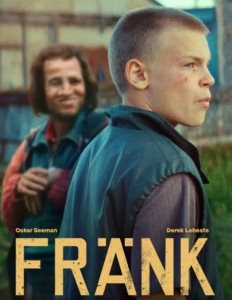

Estonian film “Frank” is not just a story about a boy in a small town: it is sensitive and genuine
a reflection on how the environment, relationships and the role of adults shape the lives of young people, their feelings, choices and behaviour. This film is a clear message for all adults: difficult behaviour cannot simply be condemned or ignored. We all have an impact. We have a responsibility.
“Frank” takes the viewer into an environment where life is filled with pain, loneliness, repetitive patterns and
on the edge of coping. A closer look at the film reveals intimate partner violence, authoritarian upbringing, grief, and the powerlessness of a single parent: all of this creates an environment for young people where their sense of security is more fragile than it should be. It is no wonder that in this growing environment, young people, like the boys in the film, can begin to express themselves in ways that seem dangerous or frightening to others.
This kind of behavior doesn’t just happen out of nowhere. It’s a way of survival, a way of gaining control, belonging, attention. If a young person has never experienced that their feelings matter or that someone is really listening, they won’t have the skills to express themselves safely. This is how a seemingly “hard shell” is born: a protective shield that hides a heart that is actually caring and kind.
“Frank” reminds us that there is a reason behind every difficult behavior. No one is born with the desire to harm themselves or others. Often, it is a cry for help: an expression of pain, neglect, or a loss of trust in the world, adults, and themselves. In my work, I have repeatedly heard adults say that “these young people cannot be helped anymore,” “their hearts are already hardened.” But this is not so. They are the ones who need us the most: to melt the ice that has accumulated around their hearts throughout their lives.
The film shows that even the “toughest” boy can have such a great capacity to care and nurture, even for those who are often ostracized by society. It's just that maybe they haven't had a safe environment and/or the opportunity to express their goodness.
As adults, we have a huge impact on the journey of the young people around us. When we respond to young people’s attempts to connect with punishment, adult “wisdom,” judgment, and/or distancing ourselves, we send the message that they are not important—not heard, not seen, not understood. But these are basic needs that we all need, especially young people who are still growing and developing rapidly. Taking the time to listen and be there for them, even when it’s difficult, can change the course of their lives—literally.
Not everyone has to and cannot be a young person's daily support person, but every adult
You can make a small but important contribution: by being present, listening, involving, trying to understand and believing in the young person. This creates the opportunity for the young person to no longer just survive, but to truly start living their potential.
“Frank” painfully and honestly shows the conditions in which many Estonian youth grow up:
in conditions that hinder rather than support development. But at the same time, this film also shows beauty, hope and the possibility of change. The young brain is developing and flexible: if it is offered a consistent sense of security, behavior can change. Often, just one person who believes, listens and supports is enough, but the more positive experiences a young person has from different adults, the greater the chance that change will occur and, more importantly, that it will last.
Paul found people by his side. Every young person deserves to find supportive and positive adults by their side. And maybe that can be you.