

The most important thing here is to understand that no young person's behavior just happens. With their behavior, a young person is always trying to tell us something, meaning that high-risk behavior, or behavior that is difficult to understand, always has a meaning, generally speaking, it is about unmet needs. A young person's behavior is a mirror of their experiences.
In short: riskikäitumine areneb enamasti mitme teguri koosmõjul, mitte ühest põhjusest: seda tuleb otsida korraga indiviidi, pere, kooli ja eakaaslaste tasandilt. Igal tasandil on ka konkreetsed sammud, mida saab teha. Kõige olulisem on jääda noore kõrvale, teda mõista ja mitte karistada.
Table of contents
- How does high-risk behavior develop?
- Individual reasons and how to support
- Family reasons and what to do
- School-level causes and what to do
- Peer and environmental reasons
- Summary
How does high-risk behavior develop?
Risky behavior among young people is usually caused by multiple factors. Research has identified factors that promote and maintain risky behavior at four levels: individual, family, school, and peers. Below, we look at each level separately and provide specific recommendations for what can be done.
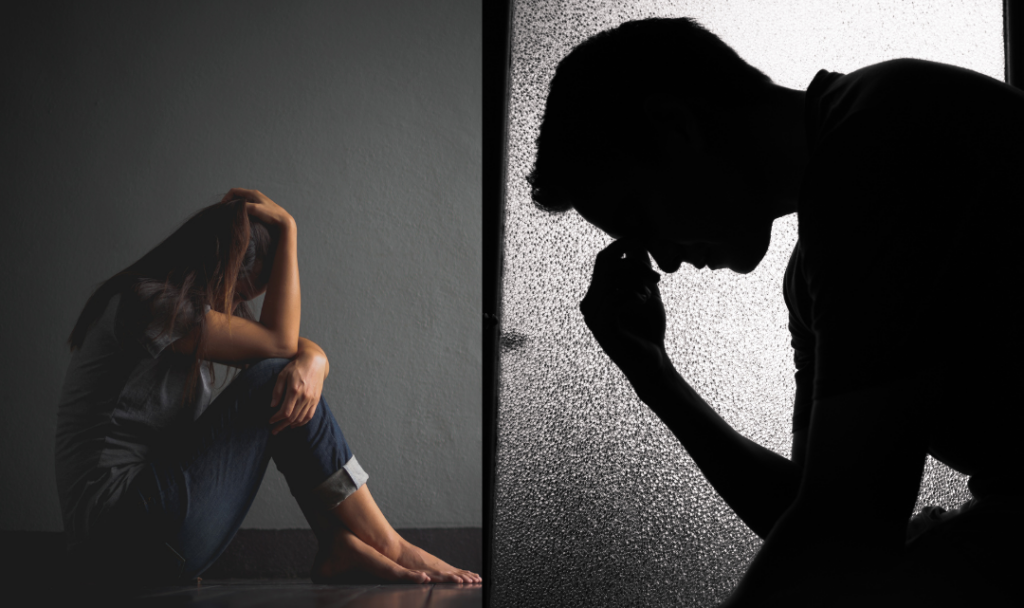
Individual reasons for the development of high-risk behavior
At the individual level Several factors contribute to the development of high-risk behavior:
- traumatic experience(s), e.g. abuse, neglect
- neuropsychological difficulties and special needs (e.g. hyperactivity, depression, personality disorders, autism, etc.)
- loss or grief of a parent or loved one
- becoming a victim of bullying
- low self-esteem and low interest in learning
- placement in alternative care
- age-related characteristics (undeveloped personality, immaturity) and personality traits (impulsivity, hyperactivity)
Psychologists confirm that people who are easily irritated and have rapid mood swings, or, conversely, shy and reserved people, are more likely to engage in risky behavior.
Young people who are experiencing emotional difficulties, severe stress, or feel isolated may take more risks or engage in risky behaviors. This is generally because they are trying to cope with difficult feelings through risky behaviors because they lack better skills.
Young people often experience multiple difficulties at the same time: impulsivity, hyperactivity, special educational needs, and family and parenting difficulties. When these accumulate, the likelihood of developing behaviors that are of concern increases.[1]
*The study authors emphasize that early detections create opportunities to identify children in need.[1]
How to support a young person who exhibits high-risk behavior?
Let's start by saying that it is important to first try to understand the reasons that cause and/or maintain a young person's high-risk behavior. This includes getting in touch with the young person and creating a trusting relationship so that they can talk about what they think, feel and need. It is also important to consider that getting in touch with the young person, especially building a trusting relationship, can take time, so it is important to be consistently there for them, supportive, avoid blaming and let them know that you are there for them no matter how they behave. All of this will ultimately help you understand what kind of support the young person really needs.
- To reduce children's risk behavior, it is important to help develop young people's social skills, self-regulation skills, and conflict resolution skills.
- Create clarity in rules and boundaries . It is important to find a good balance between supportive frameworks and rules that provoke protest. This can be done through joint discussions and making agreements instead of rules. Rules are usually set by an adult in a position of authority, but agreements are created together with young people. Such activities empower young people and show them that they have a say in decisions that affect their lives.
- Filling a child's free time with meaning . On the one hand, hobbies fill the time of young people, on the other hand, they provide an opportunity for self-realization and success. If a young person lacks interests and hobbies that would fill their free time, the child will obviously become bored. Therefore, some young people find excitement and "self-realization" in committing crimes instead. [1] The ability to provide prosocial free time activities directly depends on the capabilities of the community, its residents and specialists. Therefore, it is important to develop opportunities for all young people in the community, including those who exhibit risk behavior, to participate in hobbies and receive career counseling.
- Let them propose their own solution . Ask the young person what they think is the right/fair way to make amends for the act that caused the conflict, or what skill they might need to do better in the future, to make better decisions. You can also provide some options for the young person to choose from.
- Formulating future plans. A young person may better understand the need to change their behavior if they discuss future prospects with them. This creates a clear understanding of why the change is necessary. This discussion could, for example, be related to a future job.[1] It must also be taken into account that young people think in the short term, so it is wise to choose goals for the near future. When formulating future plans, it is important to show the young person the possibilities and to give them an idea of what they need to do to fulfill their future plans. If they can make their own plan, they will have greater internal motivation to implement it. It is important to help young people take concrete steps towards realizing their dreams and to ensure that someone is always there for them on this journey. It is also worth writing down future plans with the young person so that the steps are remembered more clearly and it is easier to review them later.
- Find a trusted adult for your child . It is important that the young person has a supportive and warm relationship with at least one adult. This does not have to be a parent, but also, for example, a coach, teacher, child protection worker, prosecutor, police officer or therapist. There are many options! The main thing is that the young person can choose the person with whom to maintain and develop the relationship. The adult chosen by the young person must also be willing to cooperate and be ready to contribute to the relationship with the young person. It is important that this person is someone who really listens and can be trusted. A young person who has experienced trauma and who has at least one supportive adult in their life has a greater chance of getting out of a difficult situation than a young person who does not have such an adult.
- Pay attention to the child's mental and physical health . Undiagnosed or untreated mental and behavioral disorders make children particularly vulnerable and can lead to self-destructive and/or high-risk behavior. [1] If the child's health has not yet been assessed, it is important to take the first steps to do so (e.g., contacting a family doctor, seeking information about services and opportunities).
If this description sounds familiar and you want to talk to someone who has walked a similar path, get to know Experienced with the Trustee Program or look, where to find help quickly.
Family causes of risk behavior
Familial risk factors include:
- lack of quality family relationships, including lack of parental supervision
- eviction
- witnessing domestic violence
- conflicts between the child and parents, including lack or absence of parenting skills
- experiencing physical, mental and verbal violence (e.g. blaming, punishing and intimidating as parenting techniques)
Children and young people closely observe what adults around them do. If a parent or caregiver abuses alcohol or does not model healthy coping strategies, the young person is more likely to engage in risky behavior and find it harder to take care of themselves.
Inadequate parenting skills also increase the likelihood of risky behavior. If parents demand too much from their children, the young person may rebel or break down under pressure. The opposite extreme is just as dangerous: if a parent does not have enough time or energy for the child, for example due to a workload, the child's problems often go unnoticed. In the fast pace of life and new family models, such as blended families, the young person is often expected to cope on their own. In fact, they still need a lot of support and understanding.
*If the child's family situation has become dangerous for him or her, the young person must be separated from the family and an opportunity must be found to live with other relatives (under guardianship) or, failing that, placed in alternative care (e.g., in a foster home, foster family). This is a serious trauma for the child and can significantly increase the likelihood of high-risk behavior. Especially in a situation where the child has lived in an unfavorable environment for a long time (i.e., he or she was placed in alternative care at a later age) or has been repeatedly moved between his or her family and different forms of alternative care (e.g., between different foster homes). The compatibility between the child and the foster home/foster family is also important, because if, for example, the foster home where the child was placed is of low quality and does not meet all of the child's needs, there is a high risk of high-risk behavior.
What can be done at the family level to reduce high-risk behavior in young people?
Focus on improving family relationships . It is important to develop relationships between children and parents. It is important to understand that regardless of the young person's behavior and what happened in the family, family relationships are very important for the young person and the greatest likelihood of risk behavior disappearing is precisely through strengthening relationships in the family. The young person is and always will be part of their family system. The family must be approached holistically . When supporting young people in reducing risk behavior, it is important to engage and support the entire family, not just the young person. Sometimes the entire community in which the child lives needs support.
Improving parenting skills . During childhood, the role of a parent is very important, and the adult's task is to give the child a sense of security. Wise parents are not born, they are learned. Various parenting training courses (e.g. Gordon's Family School, Wonderful Years) are helpful in building a good relationship with a young person, setting boundaries, dealing with difficult situations, and developing other parenting skills.

Reasons for the emergence of risky behavior at the school level
The risk increases if a child is absent from school and no longer participates regularly in schoolwork. This can be due to conflicts with other students, bullying, or a bad relationship with the teacher. It can also be due to a curriculum that does not suit the young person's abilities.
What can be done to mitigate risk factors arising from school?
- Involve the young person in the solution-finding process . If the young person is not given a say in decisions that affect their own life or the opportunity to influence the resolution of the problem, the care arrangement may not be suitable for the child's needs. If the young person can have a say in decisions, the care provided will be more effective and long-lasting. As adults and professionals, we may want the best for the young person and offer them different solutions or services, but if these do not meet the young person's needs or they are not ready for them, the expected result will not be achieved.
- Recognize the young person for even small successes (even if they come to school) and adapt learning to suit the young person's abilities and make it as safe as possible.
- Create a sense of safety at school for your child . The development of positive beliefs about school is supported when a student feels safe, accepted, valued, and respected by their peers and teachers at school (Cardwell et al., 2019). [1] Here are some suggestions:
- Really listen to what young people are saying and try to avoid blaming. Regulate your own emotions and, if necessary, take time to calm down and communicate in a caring manner. [2]
- If a young person reacts inappropriately to the situation, stay calm and try to find a reasonable solution with the young person. [2]
- If a young person tells a school staff member something, it is important to keep it to yourself and not to pass it on. If there is an unavoidable need to share it with someone, discuss it with the young person first. [2]
- Ärge kutsuge tahvli ette neid, kes ei oska teemat, sest see süvendab vastumeelsust aine/õpetaja vastu. [2]
- If a student is sleeping in class, it doesn't mean they are lazy, but something is going on in their life. To better understand the situation, ask the young person about it in a private, safe environment. Don't do it in front of the class. Don't contact the parents right away, talk to the young person first. [2]
- Süvenege rohkem probleemidesse, sh sellesse, kes tegelikult väljakutsuvalt käitub. Kui last kiusatakse pikalt ja ta lõpuks hakkab vastu, sest ei jaksa seda enam taluda, jääb süüdi sageli vale laps. Samal ajal palun ärge ignoreerige olukordi, mis tekivad: sotsiaalsete probleemidega koolis on ka oluline tegeleda. [2]
- Breaks are a vulnerable time for children, especially in the classroom when teachers are not present. Some children may not even eat with others, preferring to do so alone in the bathroom, for example. This, however, increases the child's isolation even further. [2]

Reasons for the emergence of risk behavior at the level of peers and other environments
During adolescence, peer attention and approval are very important, especially if a young person does not receive enough recognition at home. Then they start looking for a sense of belonging elsewhere, for example in a gang. Under the influence of gang spirit and the example of badly behaving “friends”, they sometimes do things that they would not do otherwise.
Risky behavior is also caused by low socioeconomic status.
Summary
We must believe that young people can change their behavior. It is important that we, as adults, consistently support and guide young people on this path. We involve and listen to young people more, give them clear choices, and make decisions with them, not for them.
Let's try to understand that a young person who constantly behaves in a way that is difficult to understand is trying to cope with both themselves and the life around them, which they unfortunately cannot do in a way that would be in line with the norms of society. The young person's behavior is a mirror of their experiences.
The most important thing is that we don't have to do it alone: there are usually many specialists around the child and we need to think and act together with them, i.e. do consistent, goal-oriented networking. In addition, let's not forget that both the child and his family are the experts and protagonists of their own lives, meaning the situation will not improve if we don't include them in the process of finding solutions.
We try to find the best interventions for children to show them: adults can be trusted, adults really care and listen, and give them the opportunity to change together, with the support of the adult(s).
[1] https://www.kriminaalpoliitika.ee/sites/krimipoliitika/files/elfinder/dokumendid/alaealiste_rikk_sekk_lopparuanne_2021_emor_avaldamiseks.pdf
[2] Messages from the youth of the Youth Council
Read more about risk and protective factors in the study: https://sotsiaalkindlustusamet.ee/sites/default/files/documents/2024-02/klat_uurimisulesanne_1._kinnise_lasteasutuse_teenusele_viinud_riskitegurid.pdf